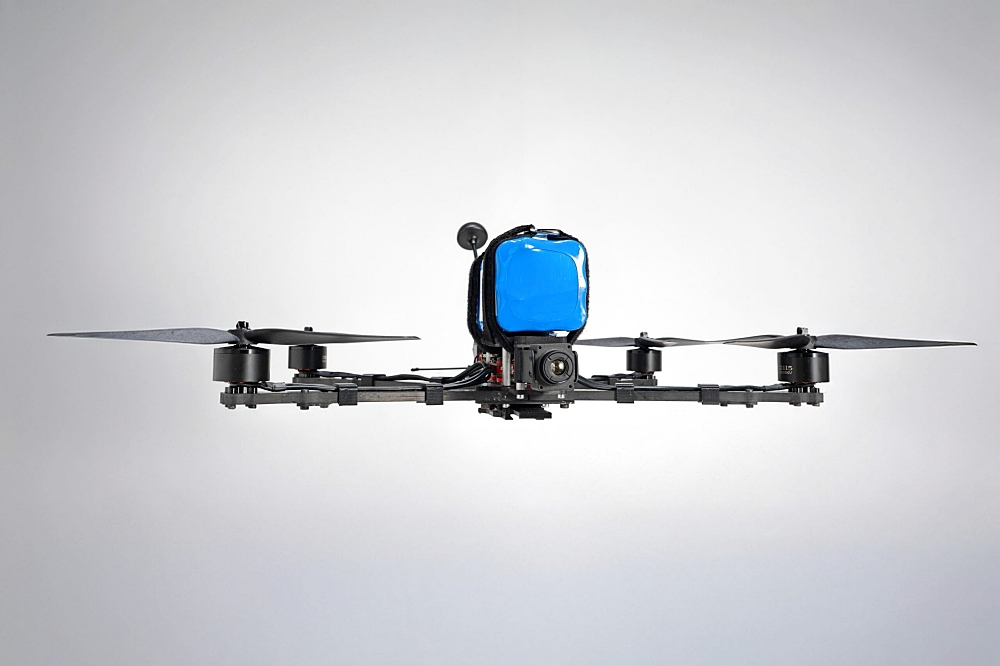
Ukrainian first-person view (FPV) drones are reportedly hitting targets more accurately with a new AI-guided system that developers said can keep working even under heavy electronic warfare (EW). The device, called TFL-1, provides autonomous terminal guidance for the final 400 to 500 meters (1,312 to 1,640 feet) of a drone’s flight. It is built to […]
Ukraine’s battle against Russia’s relentless drone assaults has found a powerful counter in the STING interceptor drone, a compact, fast, and cost-effective weapon designed to neutralize enemy UAVs mid-air. Developed by the Ukrainian team “Wild Hornets,” the STING has already proven its effectiveness in combat, marking a significant step forward in the evolution of drone […]
– Neros Technologies has been awarded a multi-million dollar delivery order contract with the United States Department of War in support of the Marine Corps to provide advanced small unmanned aerial systems (sUAS) — including kinetic-strike capable FPVs — together with comprehensive operator training and support, across the Fleet Marine Force (FMF) in support of […]
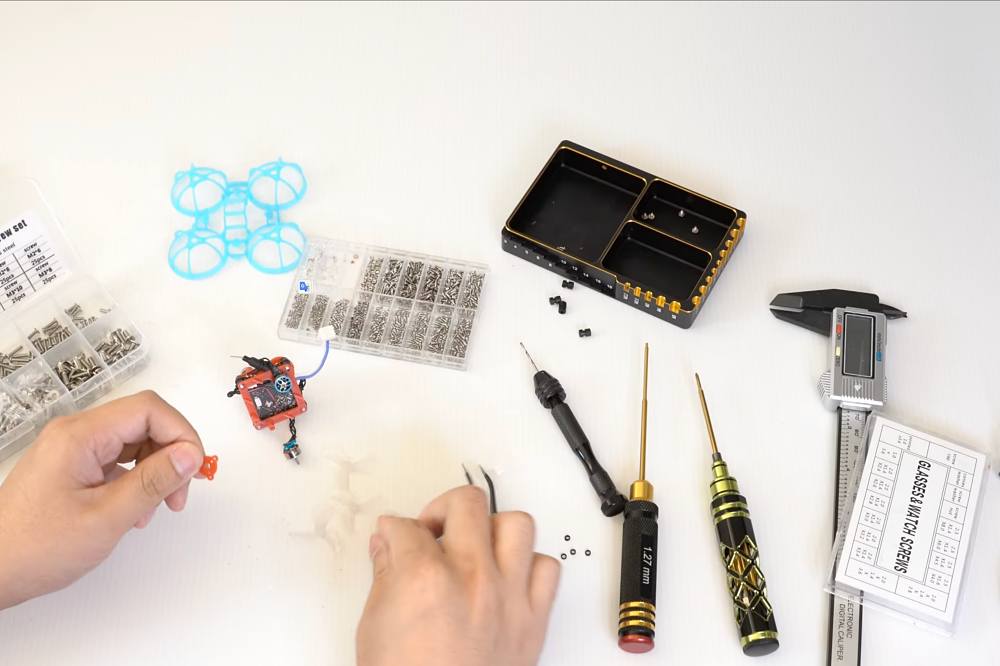
Hoarder Sam meticulously designs and 3D-prints a miniature FPV drone frame, modifying a BetaFPV Air65. This build requires precise adjustments, including hand-drilling for optimal component fit. Witness the assembly process, from initial CAD design to test flights with various batteries. Source: YouTube
– Red Cat Holdings, Inc., a U.S.-based provider of advanced all-domain drone and robotic solutions for defense and national security, today announced the launch of its FANG line of NDAA-compliant First Person View (FPV) drones, starting with the 7-inch FANG F7. Initially developed through a U.S. military lab program, FANG has progressed from concept to […]
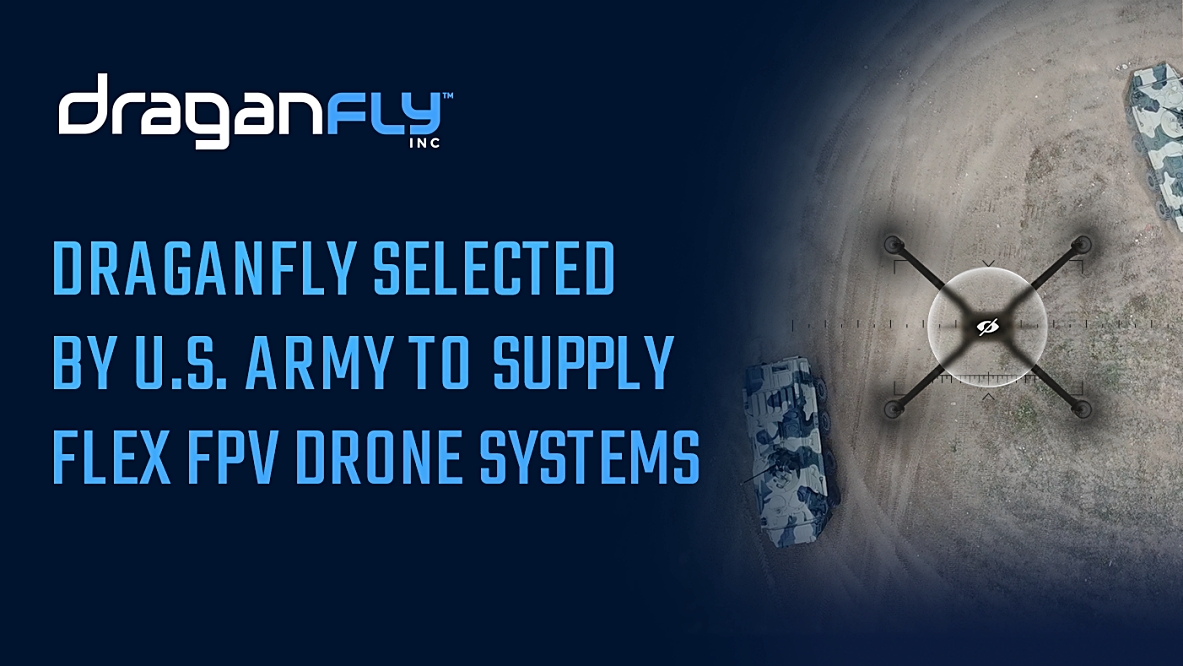
– Draganfly Inc., a developer of drone solutions and systems, announced its selection by the U.S. Army to provide Flex FPV drone systems. Under the initial order, Draganfly will deliver Flex FPV drones designed for high-performance operations as well as help establish on-site manufacturing of the Flex FPV (First Person View) within overseas U.S. Forces […]
After eight days of flight demonstrations at Marine Corps Base Camp Pendleton, USMC evaluators selected First Person View (FPV) platforms from Auterion, ModalAI, Neros, and Nokturnal – as well as one component from Kraken Kinetics – to move from the FPV tactical kinetic effects Phase of Project G.I. These selections will now undergo verification for […]
The US Army’s 173rd Airborne Brigade, known as the “Sky Soldiers,” has conducted what officials say is the first test in the United States of a first-person-view (FPV) drone shooting down another unmanned aerial vehicle. Over the skies of Fort Rucker, history was made as the 173rd Airborne Brigade, Pennsylvania Army National Guard, and the […]
The U.S. Army is training soldiers to 3D print drone components as part of its new Unmanned Advanced Lethality Course (UALC). Headed by the U.S. Army Aviation Center of Excellence (AVCOE), UALC trains military personnel in producing, maintaining, and operating small Unmanned Aircraft Systems (UAS), including first-person view (FPV) drones. The three-week course seeks to […]
Next up in our “Ask Drone Girl” series is about wearing glasses with DJI Goggles. If you have a question for Drone Girl, contact her here.
Thanks for the information so far regarding Avata 2 and flying indoors; I find it very helpful! My one concern is: how well would the goggles work if I wear glasses normally?
Ahead of buying the DJI Avata 2, glasses-wearers probably wonder if the two can work together. The answer is yes, you can wear glasses with DJI Goggles – kinda. The thing is, you don’t actually wear them.
Sally French, The Drone Girl, reviews the DJI Avata 2 wearing the DJI Goggles 3 and using the DJI RC Motion 3. (Photo by Sally French)
Adjustable diopters are the key
That’s because the DJI Goggles 2 and DJI Goggles 3 are designed to work with drones such as the Avata 2 — and they are designed with some features that make them friendly to folks with less-than perfect vision. Most notably, they include adjustable diopters, allowing you to change the focus of the screens without needing to wear your prescription glasses. The catch? Your prescription must fall within the supported range.
The DJI Goggles 2 diopter adjustment covers a range from -8.0 to +2.0. That means if your glasses fall somewhere in that range, you can ditch your glasses entirely and just dial in your correction directly using the built-in knobs.
The DJI Goggles 3 have a slightly smaller range of -6.0 D to +2.0 D.
Sally French, The Drone Girl, flies the Avata 2 drone with the DJI RC Motion 3 while wearing the DJI Goggles 3. (Photo by Sally French)
Can you wear glasses and the DJI Goggles 2 simultaneously?
However, if your prescription is outside that range, things get clunky.
You can try to wear them under your goggles, but often it depends on the style of frames you’re wearing (smaller and thinner frames are better). Even still, my glasses-wearing drone co-pilots tell me the fit isn’t always super comfortable — especially if your glasses are large, thick-framed or sit high on your nose bridge.
The DJI Goggles N3 don’t have diopters at all, but DJI does explicitly say they can be used with personal glasses. Again though, your mileage may vary in terms of actual fit.
Another solution: lens inserts
RHO-Lens inserts
One more potential option if your prescription falls outside that -8.0 to +2.0 range on the Goggles 2 (or -6.0 D to +2.0 D on the Goggles 3). Consider prescription lens inserts. Companies like RHO-Lens and VR Wave make custom prescription inserts designed specifically for DJI goggles. They’re more comfortable, reduce fogging and offer a cleaner viewing experience than wearing traditional glasses under the headset.
Though, they’re not necessary if you can just use the diopters on the DJI Goggles.
TL;DR: Are DJI Goggles glasses-friendly?
In short, DJI Goggles 2 and 3 are compatible with glasses-wearers, but they’re not optimized for actually wearing glasses. If you wear small, thin glasses, you’ll likely be fine. For a more comfortable experience — especially for longer flights — consider using the built-in diopter adjustment or investing in prescription lens inserts.

 Ukrainian first-person view (FPV) drones are reportedly hitting targets more accurately with a new AI-guided system that developers said can keep working even under heavy electronic warfare (EW). The device, called TFL-1, provides autonomous terminal guidance for the final 400 to 500 meters (1,312 to 1,640 feet) of a drone’s flight. It is built to […]